REVIEW · CITY TOURS
Pink City Walking Tour With Us ( A Haritage Walk in Jaipur)
Book on GetYourGuide →Operated by Elephant With Jaipur | Jaipur Walking Tour · Bookable on GetYourGuide
A Jaipur walk with real stories beats museum time. This one is built around old Jaipur on foot plus a guide from inside the city, Mudassir, who mixes Rajput and Mughal architecture with day-to-day local culture. I especially love how the route threads together major sights and street-level markets, so you understand the city as a living place, not just a checklist. I also like the practical touches, like chai, coffee, and water included, which matters in Jaipur heat. One possible drawback: because it’s mostly walking outdoors, you’ll want comfortable shoes and a solid heat plan.
You can expect a clear, English or Spanish guided walk that covers the center of Jaipur, from Hawa Mahal to places like City Palace, a Govind Dev Ji Temple stop, Sabji Mandi and Phool Mandi markets, Jantar Mantar, and Tripolia Bazar. The pace stays human and story-driven, with time for photos and short breaks along the way. The main consideration is the sun: one review mentioned struggling with heat, so starting earlier can make this experience more comfortable.
In This Review
- Quick Highlights You Should Know Before You Go
- Where This Tour Starts: Hawa Mahal and the Best First Views
- Hawa Mahal Stop: Photo Time Plus a Story, Not Just a Photo
- City Palace: Rajput and Mughal Architecture in a Walkable Sequence
- Govind Dev Ji Temple: Krishna Ceremony and What to Watch For
- The Market Walk: Sabji Mandi Janta Market and Phool Mandi
- Jantar Mantar: The Observatory Stop With a Break Built In
- Tripolia Bazar: Where the City Feels Most Lived-In
- Price and Value: How $12 Can Work in Your Favor
- What’s Included (and Why It Matters on a 3-Hour Day)
- What to Bring (So You Don’t Have a Bad Day)
- Who This Tour Fits Best
- A Note on Rules: Keep It Respectful and Simple
- Should You Book This Jaipur Walking Tour?
- FAQ
- How long is the Pink City Walking Tour with Mudassir?
- Where does the tour meet?
- What is included in the tour price?
- What major sights are visited during the walk?
- Is Jantar Mantar included?
- What languages are available for the live guide?
- Are ticket lines skipped?
- What should I bring for the walk?
- What is not allowed during the tour?
- Is the tour suitable for very elderly visitors?
Quick Highlights You Should Know Before You Go

- Mudassir’s local approach: born and raised in Jaipur, guiding in English and Spanish
- Krishna focus at Govind Dev Ji Temple: a key spiritual stop in the route
- Markets with purpose: Sabji Mandi (vegetable) and Phool Mandi (flower) for local rhythm
- Science meets city life: a Jantar Mantar stop with time to look around
- Chai, coffee, and water included: small comforts that add real value on a 3-hour walk
Where This Tour Starts: Hawa Mahal and the Best First Views
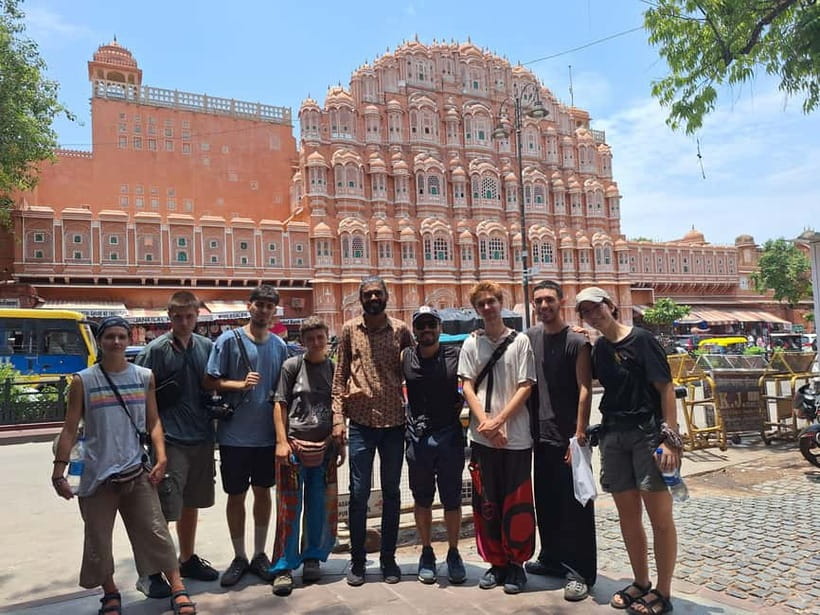
The tour begins in front of Hawa Mahal, the famous Wind Palace that gives Jaipur its instantly recognizable silhouette. It’s a smart starting point because you’re already in the historic heart of the city, and it’s easy to orient yourself before you move on.
You’ll want to find the guide right away: look for a tall person with a ponytail standing near the Tattoo Cafe area, just down the side from Hawa Mahal. Once you’re together, the walk becomes more than sightseeing. The guide’s theme is to explain how the city works historically and culturally, while also showing how people move, buy, pray, and celebrate today.
I like that the tour keeps things outward-facing instead of turning your day into a complicated ticket-hunt. You still get guided visits and photo moments, but you’re not stuck waiting behind entrances for everything.
You can also read our reviews of more walking tours in Jaipur



Hawa Mahal Stop: Photo Time Plus a Story, Not Just a Photo

At the first stop, you get a short guided moment at Hawa Mahal, plus time to take pictures and look around. The tour format here is useful because it gives you a quick sense of place. Jaipur’s pink facade can look like a single landmark from far away, but up close the details matter, and a guide can help you spot what’s worth noticing.
This is also where the tour starts teaching you how to read the city. Instead of only describing what you see, the guide sets up the next parts: architecture, religion, and daily life in the same mental frame.
City Palace: Rajput and Mughal Architecture in a Walkable Sequence
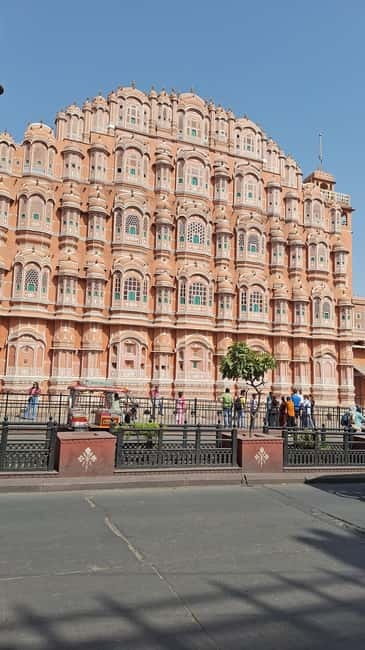
City Palace is the next big anchor, and it’s timed with a practical rhythm: a photo stop, guided tour time, and some free time to look at what grabs you personally. This matters because City Palace can feel overwhelming if you approach it like a checklist. With a guide, you get context for why the palace looks the way it does and how it fits into Jaipur’s power history.
The tour’s stated focus includes understanding Rajput and Mughal architecture. That pairing is important in Jaipur because the city’s identity often shows up as a mix: local Rajput traditions paired with influences shaped by the Mughal era. Even if you don’t become an architecture expert by the end of the walk, you’ll leave with a better ability to connect shapes, materials, and layout to what each style was trying to achieve.
A small but real benefit: you’re on foot, so the transitions feel natural. You’re not jumping across town between unrelated stops.
Govind Dev Ji Temple: Krishna Ceremony and What to Watch For

Govind Dev Ji Temple is one of the highlights, and the tour calls out a Krishna ceremony as a key moment to explore. This is one of those stops where the value isn’t only the building. It’s the living part: what the ceremony looks like, the religious meaning behind it, and how faith shows up in everyday routines.
Even if you’re not visiting as a religious traveler, this stop helps you understand Jaipur beyond architecture. Religion is part of how people organize time, space, and community. The guide’s role here is crucial because temples can be visually busy. You’ll get guidance on what to pay attention to so you’re not just watching motion without understanding it.
One practical note: temples typically mean you should dress respectfully. The tour provides a clear packing list, including long pants and a scarf.
The Market Walk: Sabji Mandi Janta Market and Phool Mandi

After the palace and temple, the route pivots to markets, and this is where the walk starts to feel like Jaipur as a real city. First comes Sabji Mandi Janta Market, where you’ll see the local vegetable market scene. Then you move to Phool Mandi, a flower market stop.
I like this pair because it’s a contrast that teaches you something immediate:
- Food markets show how daily life runs
- Flower markets show how people celebrate, decorate, and maintain religious and social traditions
These market stops are guided, so you’re not just taking in crowds. You’re learning the logic behind how people shop and what the market culture represents. The tour also gives time for photos and sightseeing, so you can absorb the scene without feeling rushed.
If you’re a food lover, this part is especially relevant. The tour mentions recommendations for what to eat and drink, and at least one review specifically called out trying lassi during the experience. Even if you’re not sure what you’ll order, having a guide who knows what’s worth it can save you time and guesswork.
You can also read our reviews of more city tours in Jaipur






Jantar Mantar: The Observatory Stop With a Break Built In
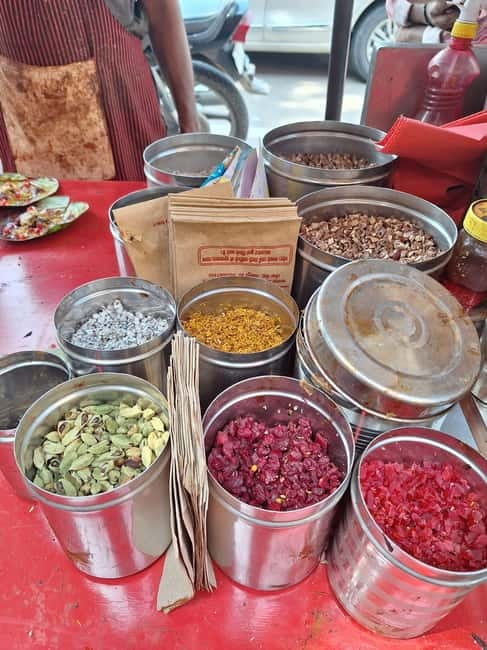
Then comes Jantar Mantar, Jaipur’s famous observatory. The tour gives you a photo stop and guided tour time, plus a coffee or tea break. That little pause is more than comfort. It changes how you look at the place. When you slow down for a drink, you start noticing how the instruments and structures relate to the sky, time, and observation.
The observatory fits well with the tour theme: understanding Jaipur not only through palaces and temples, but through how the city’s rulers thought about science, measurement, and knowledge. You don’t have to be a nerd to enjoy it. It’s one of those stops where a good explanation turns shapes into meaning.
If you’re traveling with limited time, this stop is a strong use of your 3 hours because it adds a totally different angle on Jaipur than markets or temples.
Tripolia Bazar: Where the City Feels Most Lived-In
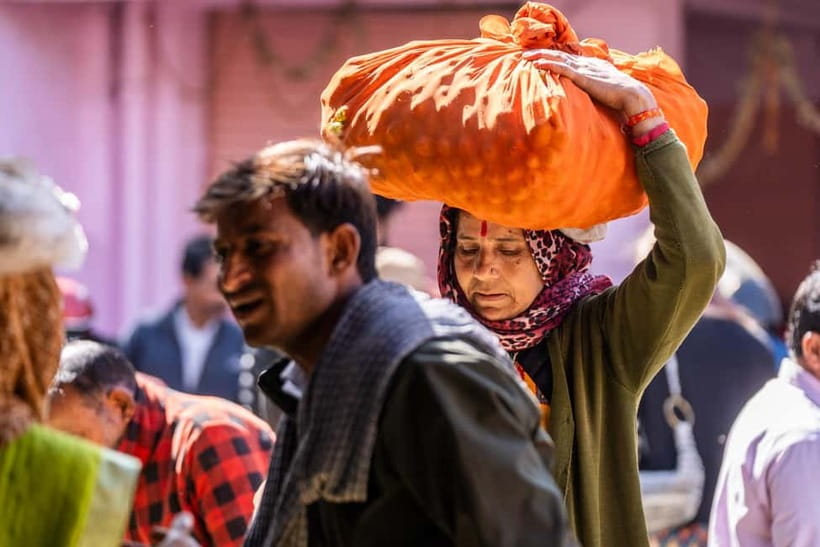
The walk finishes at Tripolia Bazar, with the longest chunk of time in the itinerary. You’ll get a guided visit and lots of time to wander and look around, plus photo opportunities.
This kind of market end-point is smart. You’ve already seen the landmarks and the temple stop. Now you’re seeing commerce in motion. Tripolia Bazar gives you a final sense of how Jaipur breathes: people moving, stalls working, and the city’s trade culture in view.
If you like shopping, this is the place where you’ll feel the options. If you don’t, it’s still a great stop because it anchors the tour in daily life rather than ending on an empty viewpoint.
Price and Value: How $12 Can Work in Your Favor

The price is listed as $12 per person for a 3-hour walking tour. On paper, walking tours can look cheap, and the value depends on what’s included and how much time the guide actually spends with you.
Here’s the value equation as it’s presented:
- You get guide fee included
- You get chai, coffee, and water
- You have a structured route with multiple major stops
- You skip the ticket line (when applicable)
Also, the guide is upfront about tips. The tour notes that since there’s no option for a free walking tour on the platform, a small amount is used for commission, and that the experience is truly tip-based. Translation: your personal tip matters for how well the guide can continue offering this format. If you like the way Mudassir explains things and keeps the day organized, plan to tip accordingly.
Is it worth it? If your goal is to understand Jaipur’s culture, architecture, and local markets in a short time, this price feels fair. If you hate walking outdoors or you only want interiors, you might decide it’s not the right fit.
What’s Included (and Why It Matters on a 3-Hour Day)
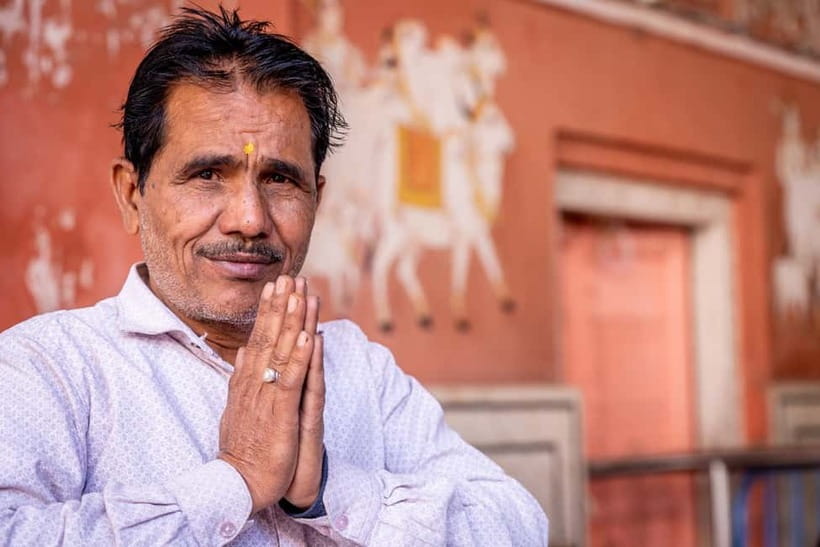
This tour includes small items that make a big difference in comfort:
- Drinking chai
- Coffee
- Water
In a city where the sun can hit hard, those breaks aren’t just nice. They help you keep your energy up so you can actually enjoy the guide’s explanations instead of counting minutes until shade.
The tour also states that it explores attractions from outside in the center. That matters because it shapes expectations: you’re moving through classic Jaipur areas and learning from context rather than spending your entire time behind indoor walls.
You also get English and Spanish live guidance, which helps if your group includes different language comfort levels.
What to Bring (So You Don’t Have a Bad Day)
The packing list is simple, and you’ll be glad you followed it:
- Comfortable shoes
- Sun hat
- Long pants
- Scarf
That scarf isn’t just style. It helps for temple areas and sun protection. And comfortable shoes are the difference between a fun walk and a painful one.
Also, plan your timing. One review specifically suggested starting earlier because Jaipur heat can be intense. If you’re flexible, try for a morning start. Your brain will absorb the stories better when you’re not fighting dehydration.
Who This Tour Fits Best
This walking tour is a good match if:
- You want a local guide who connects architecture, religion, and daily life
- You like market scenes as much as landmarks
- You’re comfortable walking for about 3 hours
- You enjoy thoughtful explanations and ask questions
It may not be ideal if you need minimal walking, or if very hot weather is an issue for you. The tour is also noted as not suitable for people over 95 years, so plan accordingly for older family members.
A Note on Rules: Keep It Respectful and Simple
You’ll want to follow the tour’s do-not list:
- No pets
- No alcohol and drugs
- No bikes or scooters
- No speakers
- Red wine isn’t allowed
Most of these are common-sense rules for a city-center walk. The bigger practical point is that you’ll be moving as a group, so keep your setup low and quiet.
Should You Book This Jaipur Walking Tour?
Book it if you want Jaipur to make sense quickly. I like this tour format because it connects major landmarks like Hawa Mahal and City Palace with lived-in stops like Sabji Mandi, Phool Mandi, and Tripolia Bazar. It also adds a strong cultural anchor at Govind Dev Ji Temple, including a Krishna ceremony focus, and it doesn’t forget the science angle with Jantar Mantar.
Don’t book it if walking in the sun would ruin your day, or if you only care about interior ticketed attractions. But if you’re game for an organized 3-hour walk with included chai and coffee, and you want the city explained by someone who grew up there, this is a very solid use of time in Jaipur.
FAQ
How long is the Pink City Walking Tour with Mudassir?
The tour lasts 3 hours.
Where does the tour meet?
The meeting point is in front of Hawa Mahal. You should look for the tall guide with a ponytail just down the side of the Tattoo Cafe.
What is included in the tour price?
Included items are drinking chai, coffee, and water, along with the guide fee. The tour also explores the attractions from outside in the city center.
What major sights are visited during the walk?
The route includes Hawa Mahal, City Palace, Govind Dev Ji Temple, Sabji Mandi Janta Market, Phool Mandi, Jantar Mantar, and Tripolia Bazar.
Is Jantar Mantar included?
Yes. Jantar Mantar is part of the itinerary, with photo time, a guided tour, and time for coffee or tea.
What languages are available for the live guide?
The live tour guide speaks English and Spanish.
Are ticket lines skipped?
The tour notes that it skips the ticket line.
What should I bring for the walk?
Bring comfortable shoes, a sun hat, long pants, and a scarf.
What is not allowed during the tour?
Pets, red wine, alcohol and drugs, bikes, alcohol and drugs, scooters, and speakers are listed as not allowed.
Is the tour suitable for very elderly visitors?
The tour states it is not suitable for people over 95 years.