REVIEW · HERITAGE & CULTURAL WALKING TOURS
“Jaipur Cultural Walk: Explore life behind the pink walls”
Book on Viator →Operated by Jaipur Cultural Walk · Bookable on Viator
Jaipur behind the pink walls starts on foot. This Jaipur Cultural Walk brings you close to daily street life in the Old City, with a small group and real stops in local markets and workshops. You move at a human pace, so you hear your guide clearly while you watch artisans at work and taste your way through the area.
I love two things most: the included food and tea, and the way the route turns everyday craft into something you can actually see. You’ll get snacks plus bottled water along the way, and at stops like Tripolia Bazar you’ll watch things being made, not just displayed. The guide I’d look for here, often named Kumar, is especially good at explaining what you’re seeing, including Hindu traditions and how people live around the bazaars.
One possible drawback is logistics. There’s no hotel pick-up, so you’ll need to get yourself to the start near the Government Maharaja Public Library by Tripolia Gate.
In This Review
- Quick hits before you lace up
- Why this Old City walk works better than a bus tour
- Meeting near Tripolia Gate, ending near City Palace
- Stop 1: Tripolia Bazar and the craft of lacquer bangles
- Stop 2: Chhoti Chaupar, masala chai, and incense lanes
- Stop 3: Badi Chaupar sweets from milk and the spice market
- Snacks, bottled water, and chai that actually help
- Guide Kumar and what you gain from back streets
- Price, value, and whether $30 makes sense
- Timing, weather, and how to plan your day
- What to bring so the walk stays fun
- Should you book the Jaipur Cultural Walk?
- FAQ
- How long is the Jaipur Cultural Walk?
- What does the Jaipur Cultural Walk cost?
- How big is the group?
- Is it a walking tour?
- What’s included in the ticket?
- Where do I meet the guide, and where does the tour end?
- Is free cancellation available?
Quick hits before you lace up
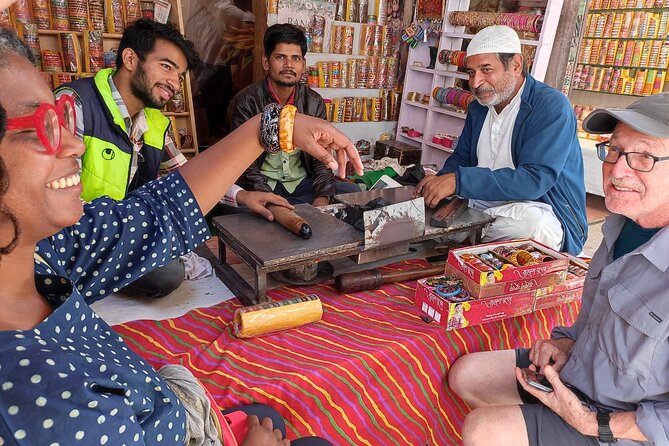
- Tripolia Bazar craft streets where artisans work on lacquer bangles and brass or metal vessels (photos are allowed)
- Chhoti Chaupar tea break with masala chai and hot snacks to keep your energy steady
- Incense and candle alleyways with wall decorative strings, right inside the tight lanes
- Badi Chaupar milk sweets factory visit to taste freshly cooked curd, cheese, and sweets made from milk
- Max 8 people on a guided walk so you’re not fighting for attention in crowds
Why this Old City walk works better than a bus tour
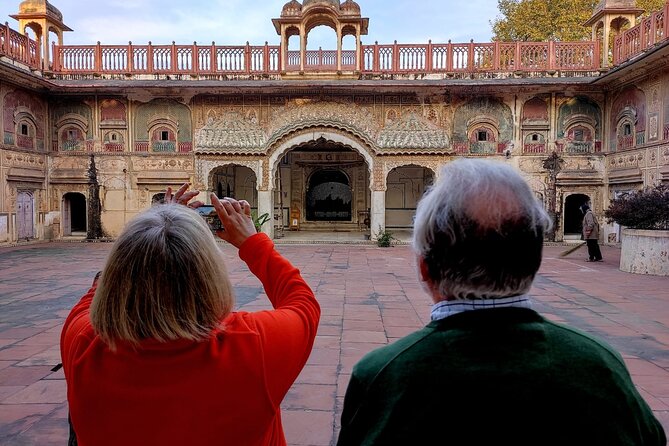
Jaipur’s Old City is the kind of place where you can look at the big sights and still miss how the city actually runs. On this walk, the focus stays practical and close-up. You’re on foot, which means you can pause, ask questions, and follow the guide into smaller lanes without the whole trip becoming a traffic-and-stops blur.
The small-group size helps a lot. When you’re only a handful of people, you’re easier to manage and the guide can slow down for questions without the group snapping into a rushed train. That matters in busy bazaars, where one wrong turn can put you back in the maze.
It also helps that the stops are designed to be varied. You’re not only shopping, and you’re not only eating. You’re watching artisans make items, taking a break for chai, and then seeing food production and market goods. It’s a better mix than the typical one-note tour.
You can also read our reviews of more walking tours in Jaipur



Meeting near Tripolia Gate, ending near City Palace
The walk starts at the Government Maharaja Public Library, near Chaura Rasta Rd, opposite Tripolia Gate. You’ll end around the City Palace Parking Area, near Gangori Bazaar and the J.D.A. Market area.
This matters for planning. If you’re staying somewhere far from central Jaipur, you’ll want to budget time to reach the start point on time. Since there’s no hotel pick-up, I’d treat this like a guided neighborhood experience, not a full-service sightseeing package.
Also, the tour is described as “best suited” for people who can comfortably walk for about 3 hours. It’s not described as strenuous, but you will be moving through lanes and market areas, where the ground can be uneven and crowded.
Stop 1: Tripolia Bazar and the craft of lacquer bangles
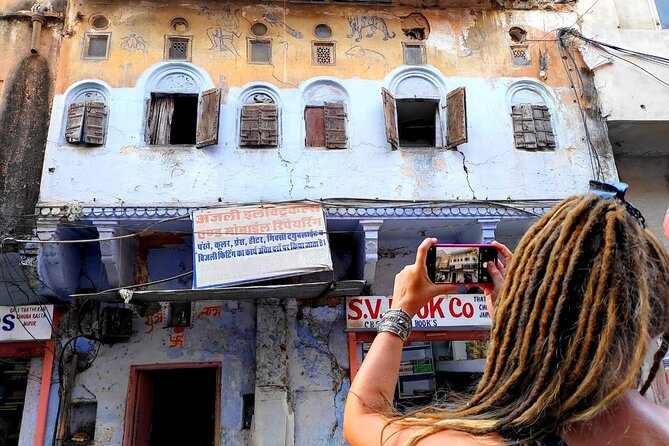
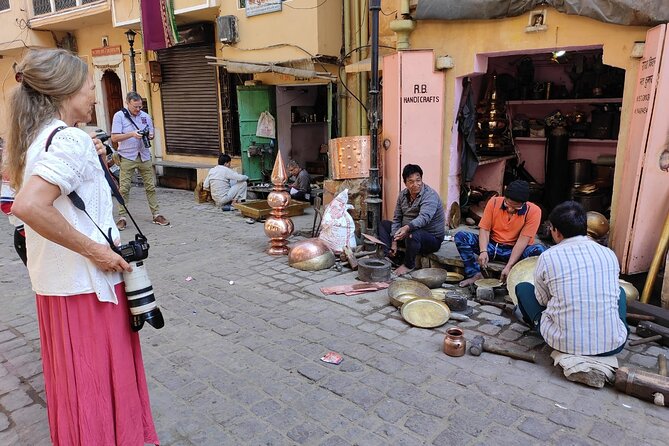
Tripolia Bazar is where the tour puts you right into the artisan workflow. You’ll spend about an hour in the downtown market areas tied to handicrafts. The key experience here is watching what’s being made as you walk by.
A standout detail: photography is allowed. That means you can capture the craftsmanship up close without the usual stop-and-start frustration. You’ll also see artisans working on items such as lacquer bangles plus brass and metal vessels. Seeing the finished products is one thing. Seeing hands in motion, tools in use, and materials being handled is a different level of understanding.
A practical tip: bazaar lanes can get busy fast, so move with the group and give artisans space. If you linger too long in one spot, you’ll become the traffic jam.
Stop 2: Chhoti Chaupar, masala chai, and incense lanes
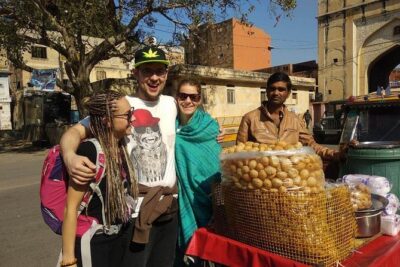
Chhoti Chaupar is built for a mood shift. First comes a short tea break with masala chai and freshly cooked hot snacks. It’s not just a sweet moment between market streets. It’s a smart reset during a walking tour, especially if you’re sensitive to heat or if you’ve already been out sightseeing.
After the break, you head down alleyways to find incense and candles, plus decorative wall strings. This is the kind of stop that gives you more than surface-level shopping. You see the objects people use every day, and you notice how religious items and daily commerce blend into the same street fabric.
If you like photographing smaller details, this is where you’ll likely get the best shots. The lanes and decorations create layers, and the guide can help you point the camera toward the meaningful bits rather than only the obvious storefronts.
One consideration: this is a walk-through experience. If you’re hoping for a long, sit-down tasting or a slow museum-style pace, you might want to think of it as snack-and-stroll, not a full food tour.
Stop 3: Badi Chaupar sweets from milk and the spice market
Badi Chaupar adds a food-production component. You’ll visit a small factory where confectioners make curd, cheese, and sweets from milk. The idea is simple and satisfying: you get to see where the sweets come from, then you can taste freshly cooked items.
This stop is valuable because it connects ingredients to the final product. Instead of only hearing about dairy-based sweets, you see the process and taste what’s being made. It’s also a nice change from shopping-only market stops.
After the factory visit, the walk continues through the spice bazaar and mentions flower market areas. Spices and flowers are part of Jaipur’s everyday sensory language, so you’re likely to notice how the market smells and looks differ from the craft-focused streets.
Food note for practical minds: included tastings are a great way to sample without over-committing. Still, pace yourself. If you’re sampling sweets and then also eating later that day, you’ll thank yourself for not going overboard.





Snacks, bottled water, and chai that actually help
The tour includes coffee and/or tea, snacks, and bottled water. That’s not just a nice-to-have. In a market walk, small breaks keep your energy stable, and hydration keeps the experience enjoyable instead of something you rush through.
I also like that these inclusions match the itinerary rhythm. A walking tour can feel like constant movement. The included tea and hot snacks give you a built-in landing spot where you can regroup, listen, and ask questions before heading back into the lanes.
If you’re food picky, you still have an advantage here: the snacks are part of the route timing. You’re not stuck searching for something later, and the tour is set up to keep you moving without turning the day into a constant logistical puzzle.
Guide Kumar and what you gain from back streets
This is the kind of tour where the guide makes a difference. One theme that comes through is that the guide, often named Kumar, takes people through non-touristy streets and back alleys, then explains the traditions connected to what you’re seeing.
That matters because Jaipur has plenty of eye candy. The tricky part is understanding what you’re looking at: why certain items are sold together, how craft relates to daily use, and why religious objects show up in market lanes. A good guide doesn’t lecture in a museum voice. They connect the details to everyday life.
You can also get real context for local religious life. The tour’s stop mix points you toward incense items and devotional goods, so you’re not only walking around businesses. You’re seeing objects tied to practice.
And because the group stays small, you’re more likely to ask questions without feeling like you’re hijacking the whole route.
Price, value, and whether $30 makes sense
At $30 per person, this walk is priced like a focused guided experience rather than a long all-day tour. What you’re paying for is a bundle: a local guide for about 3 hours, multiple guided stops, and included food and drinks (tea/coffee, snacks, bottled water). The route also includes a factory-style stop for tasting milk sweets, which isn’t a typical quick-photo stop.
The biggest value lever here is that the cost covers experiences that you would otherwise have to piece together yourself: safe-ish street food style tasting (as part of the tour), guidance through busy lanes, and a craft-and-market context that helps you understand what you’re looking at.
The main cost-side tradeoff is that hotel pick-up is excluded. If you’re coming from far away, you may spend time getting to the meeting point. If you’re already staying near central Jaipur or you don’t mind a short commute, the $30 can feel like a fair swap for guided time and included tastings.
Booking tends to happen about 5 days in advance on average, so if you want a specific time window, don’t wait until the last minute.
Timing, weather, and how to plan your day
The tour runs about 3 hours. That’s short enough to fit into a day even if Jaipur is already on your schedule, but long enough to see real variety across markets.
Weather matters. The experience is said to require good weather. If you’re traveling in hotter months, you’ll want to plan your day so you’re not walking at your sunniest, most exhausted hour. If you’re traveling during a season when rain is likely, keep an eye on conditions and be ready to adjust your plans.
One more practical detail: the tour is near public transportation. That helps if you’re using buses or getting dropped at a central area, since you’re not relying on the guide’s vehicle.
What to bring so the walk stays fun
You don’t need much, but you do need the basics.
- Comfortable walking shoes for market lanes
- A light layer or hat, since you’ll be outside for most of the walk
- Your phone charged, since photography is allowed at Tripolia Bazar
- A small bag you can manage in crowded streets
Since bottled water is included, you don’t need to carry a full bottle. Still, if you know you drink a lot while walking, it can help to carry a little extra on top.
Should you book the Jaipur Cultural Walk?
I think this is a smart booking if you want Jaipur through everyday life: crafts in motion, chai and snacks that keep you comfortable, and a sweets-and-spices route that feels like you’re moving with local routines. The small group (max 8) is a big plus, and the mix of artisan work plus tasting stops makes the $30 feel more justified than a pure sightseeing walk.
Skip it or plan differently if you need hotel pick-up. Since the meeting point is central and the tour ends near City Palace Parking, you’ll want to be able to reach those areas smoothly. Also, if walking for about three hours is a strain for you, this might not be the easiest day on your feet.
If you’re curious and you like markets beyond the postcard version, this walk is one of the cleanest ways to see what’s happening behind the famous pink walls.
FAQ
How long is the Jaipur Cultural Walk?
It’s approximately 3 hours.
What does the Jaipur Cultural Walk cost?
The price is $30.00 per person.
How big is the group?
The tour has a maximum of 8 travelers.
Is it a walking tour?
Yes. It’s a walking tour, and it’s described as best suited to mobile travelers.
What’s included in the ticket?
Coffee and/or tea, snacks, and bottled water are included.
Where do I meet the guide, and where does the tour end?
You start at the Government Maharaja Public Library area near Tripolia Gate. The tour ends at the City Palace Parking Area near Gangori Bazaar.
Is free cancellation available?
Yes. You can cancel for a full refund up to 24 hours in advance, and free cancellation is offered.